Turn Down the Nu Metal! An Introduction to Goth Music
- DEC. 21, 2025
- //
- WRITTEN BY NADIA KOHLES-GONZALEZ
CLEARING UP CONFUSION
You've likely seen them in cartoons, teen movies, on social media, or even around campus, sporting dark clothing, dramatic makeup, and eccentric hairstyles. The goth subculture has been a public fascination since its inception 40-odd years ago. According to the majority of online sources, goth is a music based subculture, with community membership emphasizing listening to specific genres rather than adhering to a specific aesthetic. However, what exactly constitutes “goth music” is widely contested. While the general assumption is that anything “edgy” or “dark” falls under the umbrella of goth music, the goth community at large views this narrative as false. Emo and Nu-Metal bands like My Chemical Romance, Evanescence, Deftones, and Korn employ macabre elements in their music and performances, but their musical styles lack the specific sound associated with goth music. To understand what constitutes goth music versus simply darkly themed rock, one should have a general grasp of its origins.
A BRIEF HISTORY
The goth subculture emerged as an offshoot of the Punk movement of the 1970s. The world at the time was rife with conflict—unemployment was rising, civil rights issues continued to be of paramount focus, the Cold War was in full swing, and mainstream culture was increasingly pivoting towards consumerism and materialism—something had to give eventually. Bands that embraced a countercultural stance began to emerge, such as The Clash, The Damned, The Ramones, and The Sex Pistols. Their aggressive power ballads spoke directly to a frustrated generation who had become disillusioned with the gentler “fluff” that every major record label was churning out. Early punk rock took the fundamentals of traditional rock ‘n’ roll and played it faster, harder, and louder than ever before. Pairing this musical style with anti-establishment lyrics created an avenue of cathartic release for youth at the time.
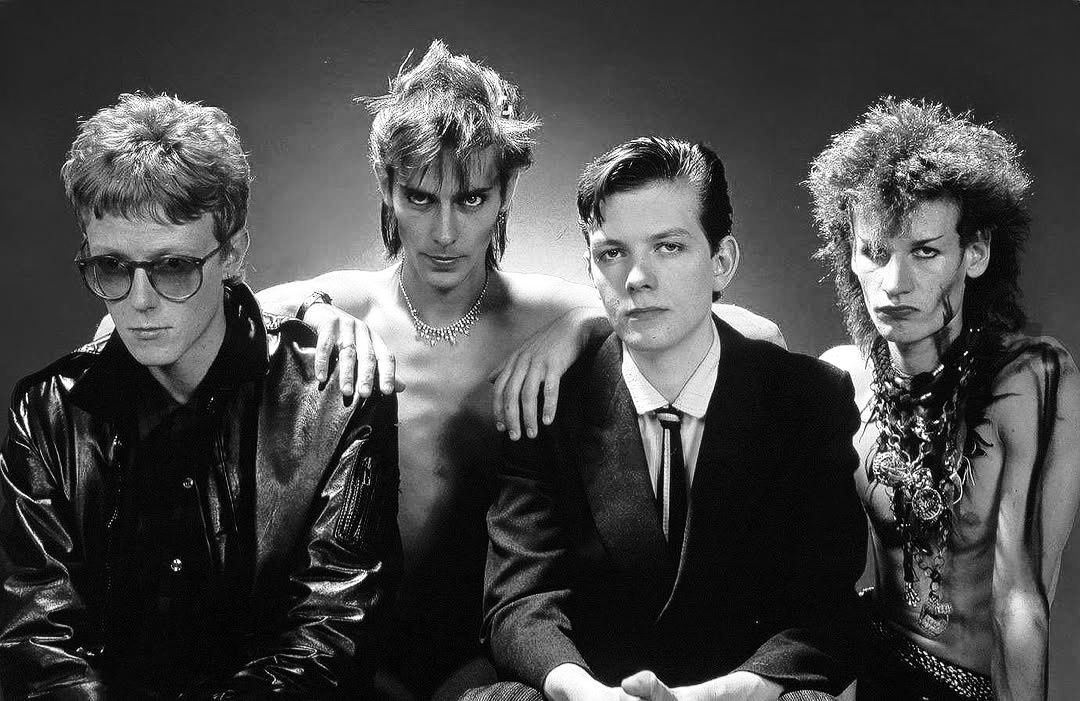
The punk subculture quickly developed around this, and adopted a leftist-anarchist philosophy that challenged the status quo. In the late 70s, bands like Siouxsie and the Banshees, The Cure, Joy Division, and Bauhaus sparked an outgrowth of post-punk rock music. This music was dark and moody, built off of foundational 60s bands such as The Velvet Underground and The Doors. The name “Goth” or “Gothic” emerged from comparisons drawn to the genre of “gothic” literature, a macabre themed subsect of the romantic movement from the 19th and 20th centuries. Various genres are associated with the goth subculture, including gothic rock, darkwave, ethereal wave, post-punk, and cold wave. These genres often feature prominent basslines, guitars drenched in effects, such as reverb and chorus, percussive beats, and vocal styles ranging from emotive and operatic to deep and droning. All these elements combine to create a unique sound that celebrates the ominous.
MODERN DEBATES
Individuals in the modern-day goth sphere tend to fall into two main camps. The “traditionalists” argue that goth only constitutes genres directly descended from early gothic rock. Some members of this group even refuse to acknowledge any “goth” songs written by newer bands who post-date the original emergence of the goth movement. The “expansionists” believe that the nature of the subculture is not static and should instead evolve and incorporate new genres as younger generations of goths enter the sphere.
A large point of contention between these two groups is whether or not certain electronic styles can be considered goth. The Industrial/Electronic Body Music (EBM) community grew alongside the goth community in the 80s with lots of cultural overlap. Bands in this genre like Depeche Mode are beloved by rivetheads and goths alike. However, despite their similarities, many traditional-minded individuals claim that EBM sounds too different from goth to be considered part of the sphere. The 90s saw the rise of the band Type O Negative, a heavily goth-influenced metal act that incorporated many macabre themes, monotone deep vocals, and foreboding sounds. They became pioneers of an emerging new sound, “gothic metal.” While this fusion act is popular within the goth subculture, there is significant debate as to whether or not this new sound is more goth or more metal. At the end of the day, the goth community tends to embrace artists based on vibe and lyrics rather than wishy-washy rules.
SONG RECOMMENDATIONS
If you are looking to check out goth music for yourself, I suggest the following four songs. Two are classic examples of what would have been playing at goth clubs in the 80s. The other two introduce new acts that are transforming the modern scene.
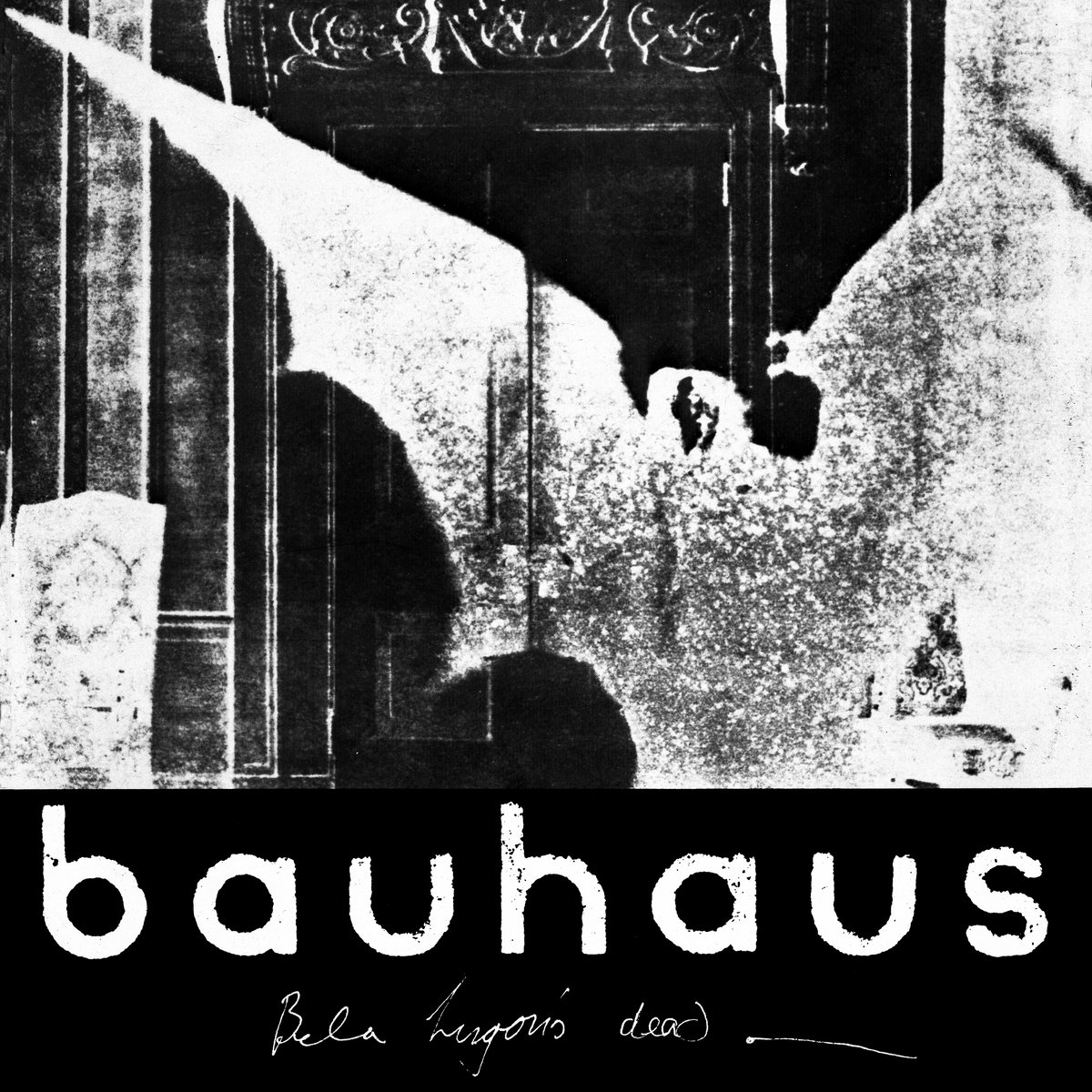
“BELA LUGOSI'S DEAD” BY BAUHAUS
Widely hailed as the “first goth song,” this nine-minute post-punk seance includes echoing drums and bass and spectral vocals that transport the listener into a new realm. It is a beloved classic and a must-listen for any Babybats (newcomers to the scene).
“ILL AND GETTING WORSE” BY ROSEGARDEN FUNERAL PARTY
Rosegarden Funeral Party is a relatively new gothic act from Dallas, Texas. Frontwoman Leah Lane’s hauntingly operatic vocals add extra depth to a mournful 80s-inspired track. Though it is a far newer song, “Ill and Getting Worse” has not strayed far from its goth roots.
“LUCRETIA MY REFLECTION” BY SISTERS OF MERCY
Taking inspiration from the Industrial genre, "Lucretia My Reflection" was built on pounding bass and a rhythm that marches forward, urging you to catch up. Andrew Eldritch’s vocals cut through the hazy instrumental, creating a dramatic, almost cinematic feeling. Yet another classic goth anthem, “Lucretia” is a must-add to any goth playlist.
“MONOLITH” BY TWIN TRIBES
With a booming bassline that mimics a human heartbeat, Twin Tribes are bringing classic darkwave into the modern age. A meditation on love, memory, and dark desire, “Monolith” is a beautifully dark introduction to the world of modern goth.