
The Way Around the City Walls: Two Nights @ Budweiser Stage with Twenty One Pilots
- NOV. 5, 2025
- //
- WRITTEN BY SOFIA TERESE GLANTZ
I like to compare the feeling of attending a Twenty One Pilots concert with the one you’re supposed to have when you go to a mega church. Under the bright lights and the music, you experience a spiritual shift within yourself. You lose yourself within the waving of arms, the moshing to “Lane Boy,” and the beating of thousands of hearts in unison to “Holding Onto You.”
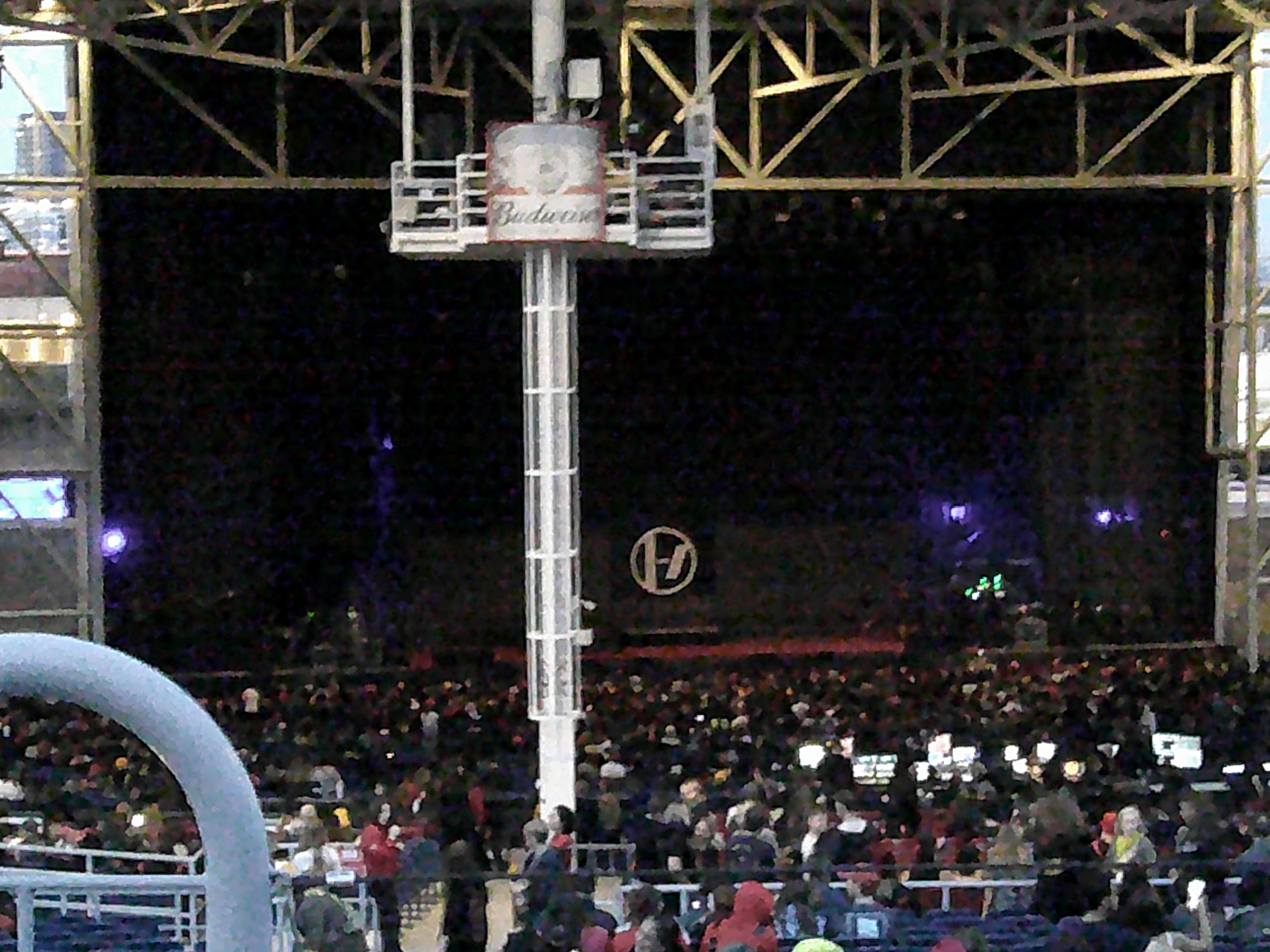
When Twenty One Pilots performed at Budweiser Stage on September 20th and 21st, this feeling was amplified by the band’s efforts to reach every section of the crowd. They seamlessly bridged the gap between the pit, the seats, and the lawn. There is never a reason to regret buying a Twenty One Pilots ticket, but for this tour specifically, no matter how much you spent, you had access to the complete experience of a Twenty One Pilots concert.
Breach, both the album and the tour, is an ending for the band. According to Tyler Joseph, the lead vocalist, The Clancy Tour: Breach will only include North American dates due to the budget already spent on the “City Walls” music video and will be the band’s final tour for the foreseeable future. The album also completes the narrative introduced by the duo’s fourth album, Blurryface.
The full narrative, which took the Pilots a decade to finish, could barely be summarized in a novel. The storyline follows Clancy, a figurehead of a resistance movement (and stand-in for Tyler Joseph) within the dystopian city of Dema, and Torchbearer, the organizer of the resistance outside of the city (and the counterpart of drummer Josh Dun). Over the past 10 years, fans have watched Clancy attempt to escape Dema with the help of Torchbearer, only to be taken back to the city by the bishops who control it. In the million-dollar budget music video for “City Walls,” Clancy is defeated by the bishops, but Torchbearer promises to keep leading the fight. The narrative is a metaphor for mental health struggles, a topic central to the band since its founding. In its ending, the band communicates a message of hope: no matter how many battles you fight, no matter how many battles you lose, there is always a reason to try again.
Being a Twenty One Pilots fan is a lifestyle. This narrative has bonded fans through alternate reality games (ARGs), cryptic websites, and letters. Camping culture—the practice of waiting outside venues for weeks before a show—is a beloved (though controversial) tradition within the fandom. The intensity of the narrative’s ending, combined with the news that this could be the last Twenty One Pilots tour for many years, sparked a frenzy within the fandom. Nevertheless, the hysteria seems to have led all fans to the same conclusion: we have to make this tour count.
The Pilots seem to agree with their fanbase. From the beginning, the duo has centred their values on fan interaction and involvement, from traditions like performing “Trees” on a platform in the pit to tour-specific stunts like rowing an air mattress through the crowd on The Icy Tour. However, due to camping culture and limited ticket availability, this highly coveted experience has usually been open only to those with the time and resources to buy expensive pit tickets and camp out at the venue for weeks at a time.
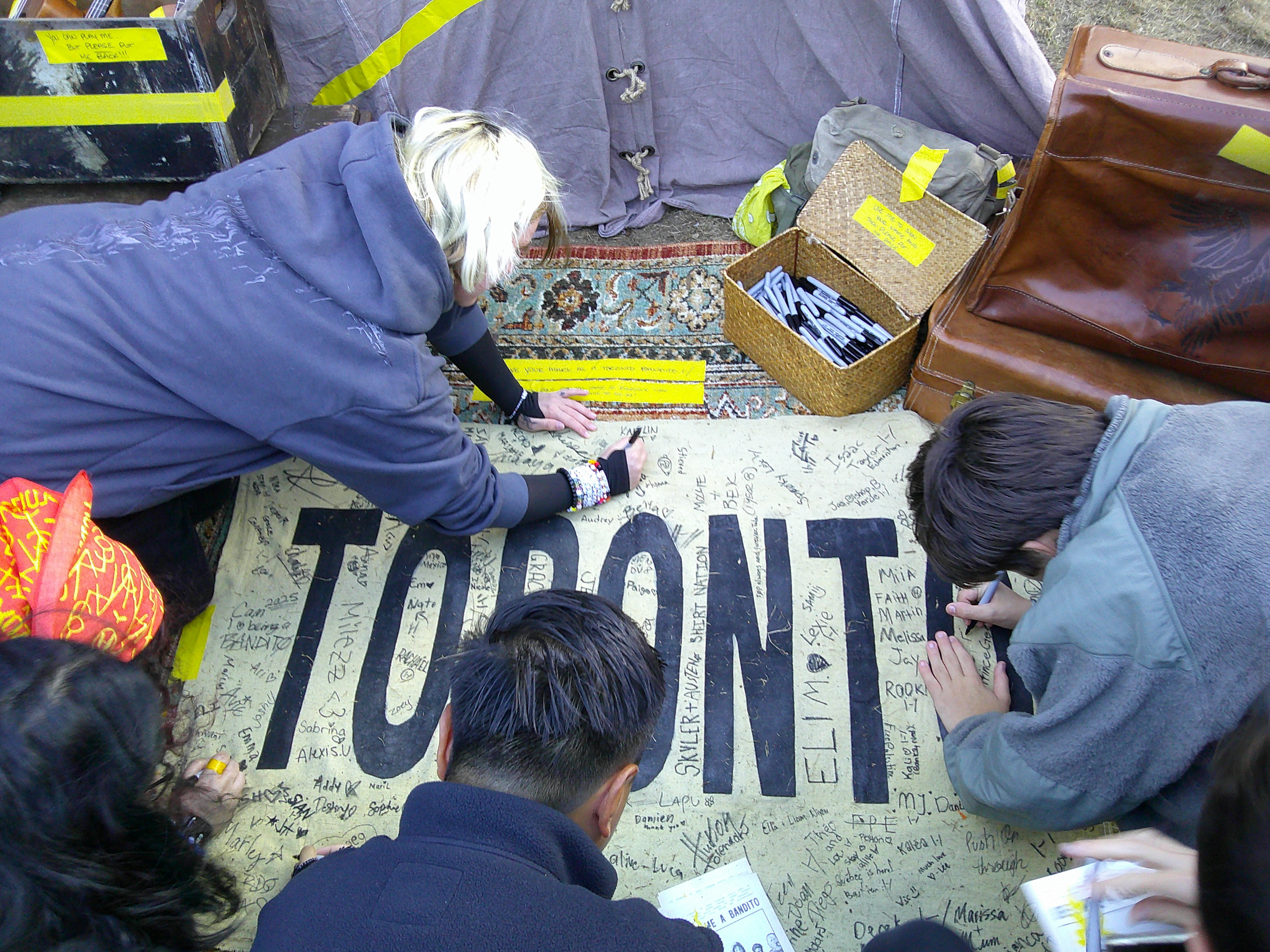
In planning this tour, the band made an explicit effort to involve the entire arena. At venues with lawns, the Bandito Camp creates a second pit for as cheap as $40. These Bandito Camps have interactive displays that model the camps featured in music videos like “Levitate.” Fans gather around army-green tents to sign a flag that Josh will hold up during the set. The band also provided ukuleles, recalling the stereotypical image of a Twenty One Pilots fan in a Blurryface costume, singing “House of Gold” in line for a show. The Bandito Camp is also the site of the B-stage, with a burning car for Tyler to perform on, and the infamous inkwell for him to repaint his hands and splash the audience.
The Bandito Camp attracted the most dedicated fans. Over the weekend, I met people who traveled from Australia, New Zealand, and England just to see the band. When I asked, “How did you get into Twenty One Pilots?” Everyone answered the same: “When no one else was there for me, this music was.”
This is the part I struggle to put into words. At a Twenty One Pilots concert, when you say that this band was there for you, everyone understands. In a crowd of tens of thousands of people, you learn that in the moments you felt most alone, you never really were. Everyone else was holding onto this music as tightly as you were, fighting their own battles, surviving alongside you to reach this moment.
On Sunday night, September 21st, a thunderstorm approached Toronto. It was scheduled to hit at 9 PM, the exact time the Pilots’ set began. I was back on the lawn, in prime position for a high-five, when the venue announced that due to the threat of rain, Twenty One Pilots would go on an hour early. Later, Tyler revealed that the venue had asked them to cancel the show altogether. The band fought directly against venue officials and edited the setlist (including complex tech cues) minutes before going on stage because they knew how much these shows meant to the audience. I cannot think of an artist more aware of the impact of their work, more in tune with their fanbase's emotions, and more dedicated to the people who built their careers. The relationship of a Twenty One Pilots fan is symbiotic: for all the energy and time the fans give to the band, they return the passion in equal measure every single time.
The Pilots' hour-long show Sunday night was the best concert I have ever attended. The energy was absolutely electric; everyone agreed that, if this was the only hour we had together, we would make the most of it. And when the show ended, and the rain fell, we would survive the walk home together, singing “Stressed Out” on the GO train platform.